Whole Earth Pathway
A pathway toward a world that works with nature rather than against her — reconnecting land, water, people, community and economy as parts of one living system.Explore the Pathway ↓
What is Whole Earth Pathway?
Whole Earth Pathway began with a simple question:What would it actually take to build a future that works — for people, for communities, and for the living world we depend on?Not one grand solution. Not another system imposed from the top down. And not a return to some imagined past.Something more interconnected.The Pathway brings together regenerative thinking, practical solutions, emerging technologies, community-scale action and knowledge both ancient and new.At its centre is the Regenerative Web of Life — thirteen interconnected Anchor Nodes exploring some of the systems that shape how we live, from land, water and food to housing, energy, work, economics and governance.Because none of these problems exists alone.And neither do their solutions.
The Manifesto
Weaving the Regenerative Web of LifeWe have spent too long behaving as though humanity exists outside nature.We extract from the land, pollute the water, build over the soil that feeds us, measure success through endless consumption and then try to repair each consequence as though it were an isolated problem.It isn't.The land, the water, our food, our homes, our economies, our communities and our wellbeing are all threads of the same web. Pull hard enough at one and the whole thing moves.Whole Earth Pathway is an attempt to imagine another direction.Not utopia. Not perfection.A society that remembers that caring for the land is caring for ourselves. That regeneration creates more lasting wealth than extraction. That technology can work alongside ecological wisdom rather than trying to overpower it. And that progress should leave the places and people it touches stronger, not poorer.There will be thirteen Anchor Nodes.Thirteen interconnected strands exploring how we might begin weaving that future together.Thirteen nodes. Thirteen full moons. One year of weaving.Read the full manifesto →
The 13 Anchor Nodes
The Regenerative Web of LifeThe Pathway is built around thirteen Anchor Nodes.Each explores a different part of how we live, but none stands alone. Land shapes water. Water shapes food. Food connects to health, economy and sovereignty. Housing shapes communities. Work shapes time. Governance shapes what becomes possible.The aim is not thirteen separate solutions.It is to see the connections between them.
Node 1 — Soil
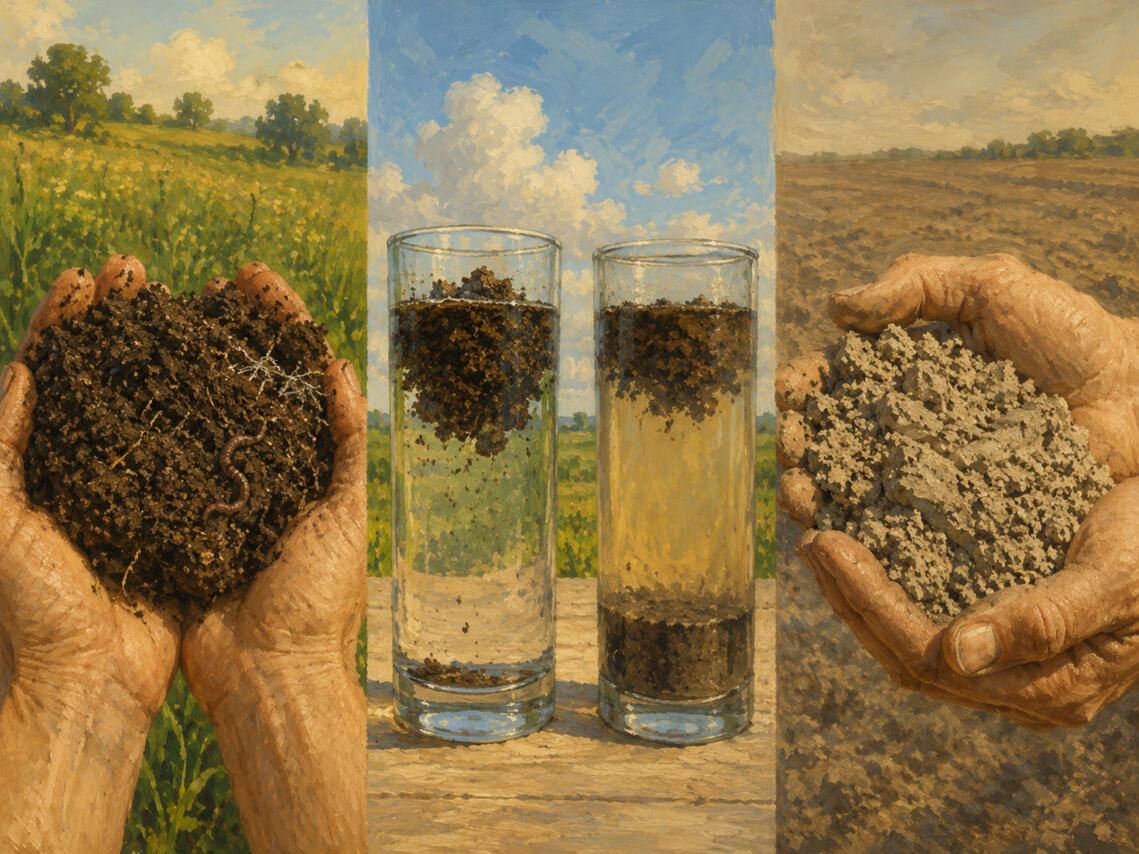
The web begins beneath our feet.Soil isn't dirt. It is a living system — and the foundation beneath our food, our water, our ecosystems and ultimately our survival.Node One looks at what happens when fertile land is treated as expendable: soil erosion, development on agricultural land, declining nutritional density and systems that reward extraction over regeneration.But it also looks at what can still be protected, restored and rebuilt.Because regeneration doesn't begin somewhere abstract.It begins in the ground beneath our feet.Read Anchor Node One →
Node 2 — Water
Land and water were never separate.A good season of rain can make a water crisis feel as though it has passed.It hasn't.Node Two follows water from the land into rivers, aquifers and the sea — exploring why water security cannot be solved by managing water alone.From restoring landscapes and kelp forests to rethinking desalination waste and emerging ways of producing water in dry environments, this node asks what becomes possible when we stop treating each problem as separate.Because you cannot heal the river without healing the land that feeds it.Water is another living thread in the web.Read Anchor Node Two →
Node 3 — Food Sovereignty
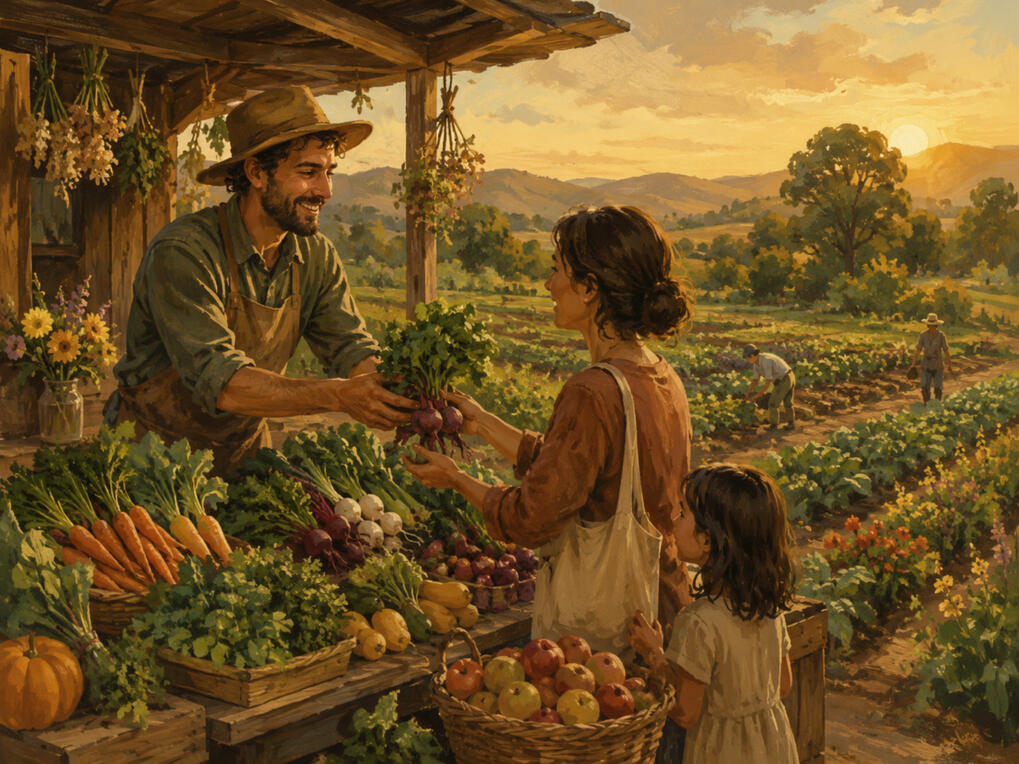
Food sovereignty begins long before food reaches the table.What we eat depends on the health of the soil, the security of the land, the diversity of the seed, and the people who grow it.Node Three follows food from farm to market to kitchen — exploring what happens when fertile land is lost, farmers are squeezed out, seed diversity narrows, and communities become disconnected from where their food comes from.But it also looks at what can be rebuilt: local co-operatives, community gardens, food education, less waste, stronger regional food systems, and a closer relationship between grower and eater.Because food is not just a commodity.It is a living thread running from the ground, through the hands that grow it, to the table where it is shared.Read Anchor Node Three →
Node 4 — Shelter & Housing
Coming Full Moon — Sunday 27th September 2026How do we create homes and communities that serve people, place and future generations?
Node 5 — Education & Future Generations
Coming Full Moon — Monday 26th October 2026What would education look like if it prepared children for the world they’re actually inheriting?
Node 6 — Energy Sovereignty
Coming Full Moon — Wednesday 25th November 2026Who owns the energy transition — and who benefits from it?
Node 7 — Movement & Infrastructure
Coming Full Moon — Thursday 24th December 2026Rethinking how people, goods and communities connect.
Node 8 — Time & Work
Coming Full Moon — Friday 22nd January 2027What if our lives weren’t organised around endless productivity?
Node 9 — Economy & Finance
Coming Full Moon — Sunday 21st February 2027Moving from extraction and accumulation toward economies that circulate and regenerate.
Node 10 — Governance & Trust
Coming Full Moon — Monday 22nd March 2027How do we rebuild systems people can believe in — and participate in?
Node 11 — First Nations Sovereignty & Partnership
Coming Full Moon — Wednesday 21st April 2027What genuine partnership could mean when it begins with sovereignty, respect and listening.
Node 12 — Alliance of Councils
Coming Full Moon — Thursday 20th May 2027What becomes possible when local governments cooperate as a network rather than acting alone?
Node 13 — Where to Start
Coming Full Moon — Saturday 19th June 2027Turning a year of ideas into places to begin.
Start Locally
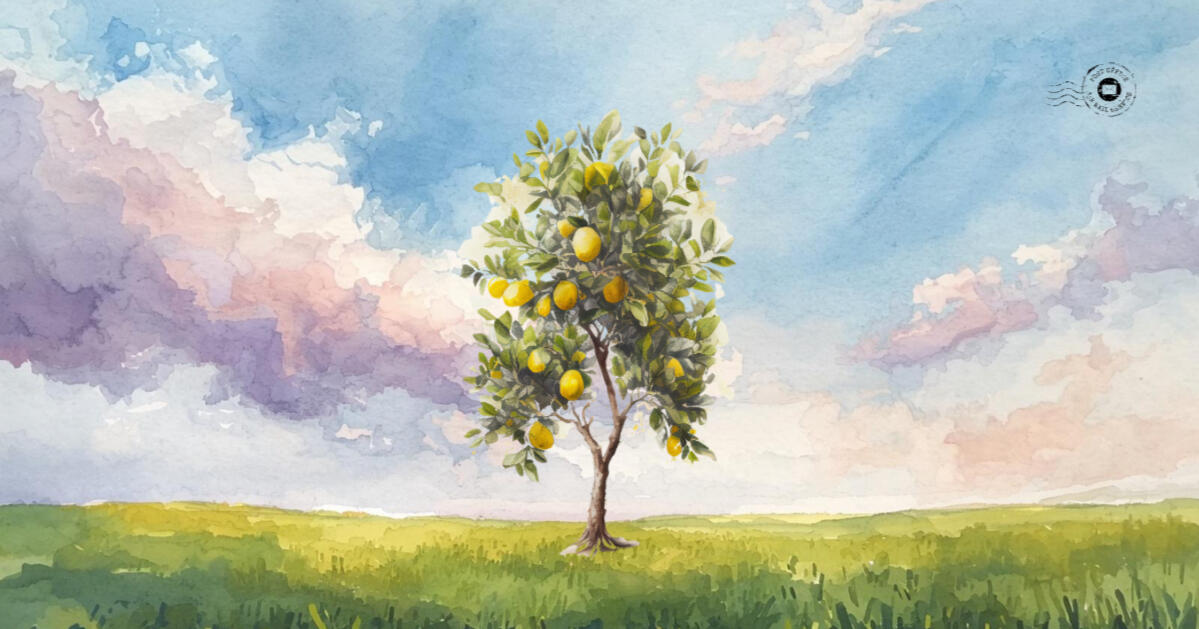
Big change doesn't always begin with a big plan.Sometimes it begins because you notice something on a walk.A bare street corner.A missing tree.A local artist whose work deserves to be seen.A shop someone might otherwise walk straight past.Start Locally is where Whole Earth Pathway comes down to street level.These are small, adaptable ideas that can strengthen connection, circulate value locally and make the places we already live a little more resilient.No grand transformation required.Just paying attention to where you are — and occasionally acting on what you see.The Lemon TreeA producing tree for every street.What if some of the trees we planted in our streets and neighbourhoods didn't just provide shade and beauty, but food as well?The Lemon Tree is a simple idea about productive public planting — but underneath it is something even simpler: creating small, ordinary opportunities for neighbours to meet, talk and share.The Postcard PathA self-guided art trail for your town.A trail linking local artists, independent businesses and visitors through collectible postcards unique to the place they came from.Artists gain visibility. Businesses gain foot traffic. Visitors discover more of the town. And more of the value created stays circulating within the community.Explore The Postcard Path →
Why I'm Doing This
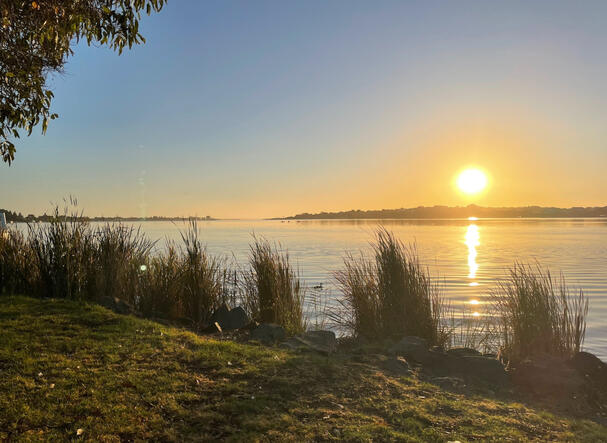
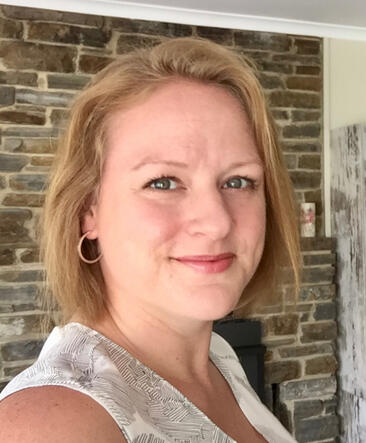
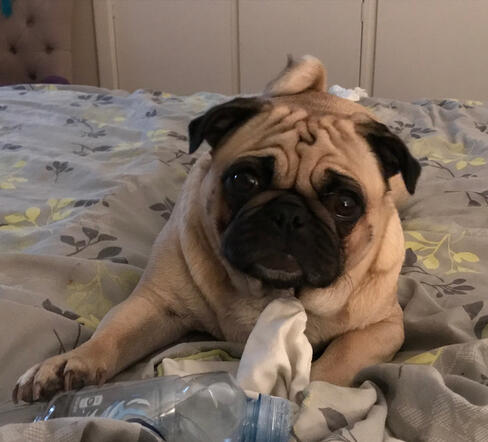
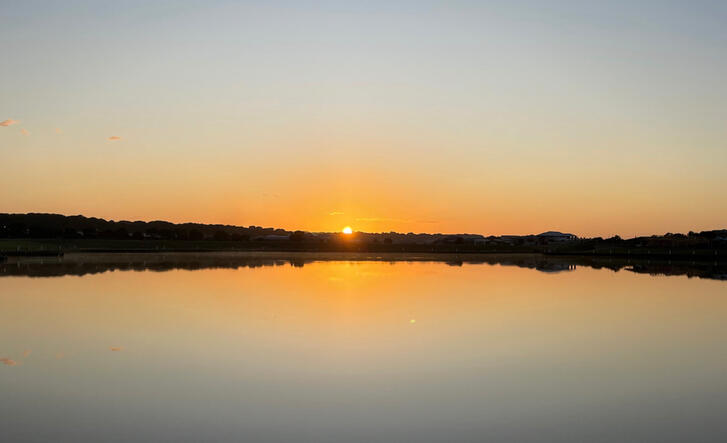
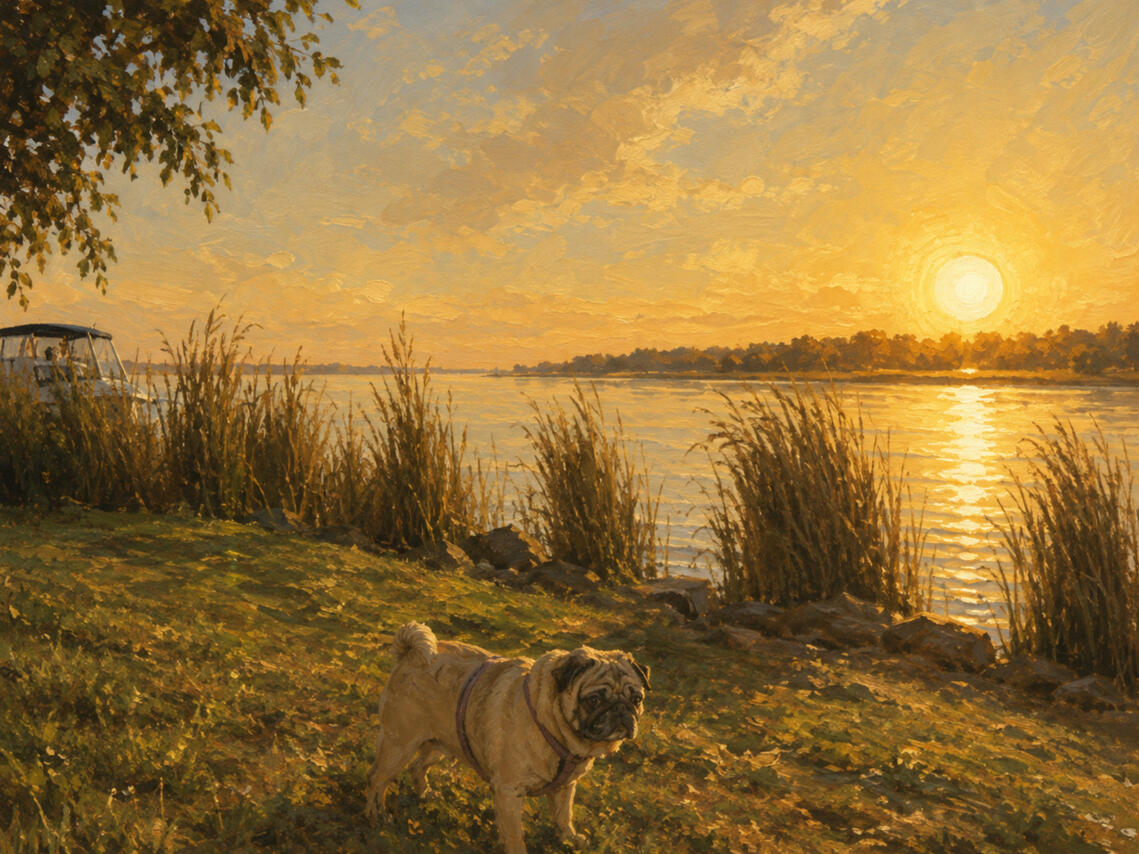
I’ve always felt closely connected to the land, but my morning walks with Zara taught me to look at it differently — to notice patterns, connections, and the small things we so often walk past.Whole Earth Pathway grew from that habit of paying attention. It’s where I bring together years of reading, questioning, observing and imagining how the systems around us might work differently — not to tell anyone what to believe, but to share what I see and invite others to look too.I don’t have all the answers, and I don’t pretend to. Some ideas here are established, some are emerging, and some are simply possibilities worth exploring. What interests me most is what happens when we stop looking at problems in isolation and start noticing the threads between them.Most of my best ideas still begin on a walk.Where do you find yours?
Follow the Pathway
Thirteen nodes. Thirteen full moons. One year of weaving.Whole Earth Pathway is unfolding one node at a time — exploring land, water, food, housing, energy, economy, governance and the many threads connecting them.If you’d like to follow the journey as it grows, subscribe on Substack and the next node will come directly to you each full moon.Follow on Substack →
Support the Work
Whole Earth Pathway is independent work — researched, written and created because I believe these ideas are worth putting into the world.If something here has made you think, given you hope, sparked an idea, or simply encouraged you to look at something differently, there are a few ways you can help it keep growing.You can subscribe, buy me a coffee, or share the Pathway with someone who might find something in it too.Every bit of support gives me more time to keep researching, writing and weaving the next thread.Buy me a coffee →
The Pathway
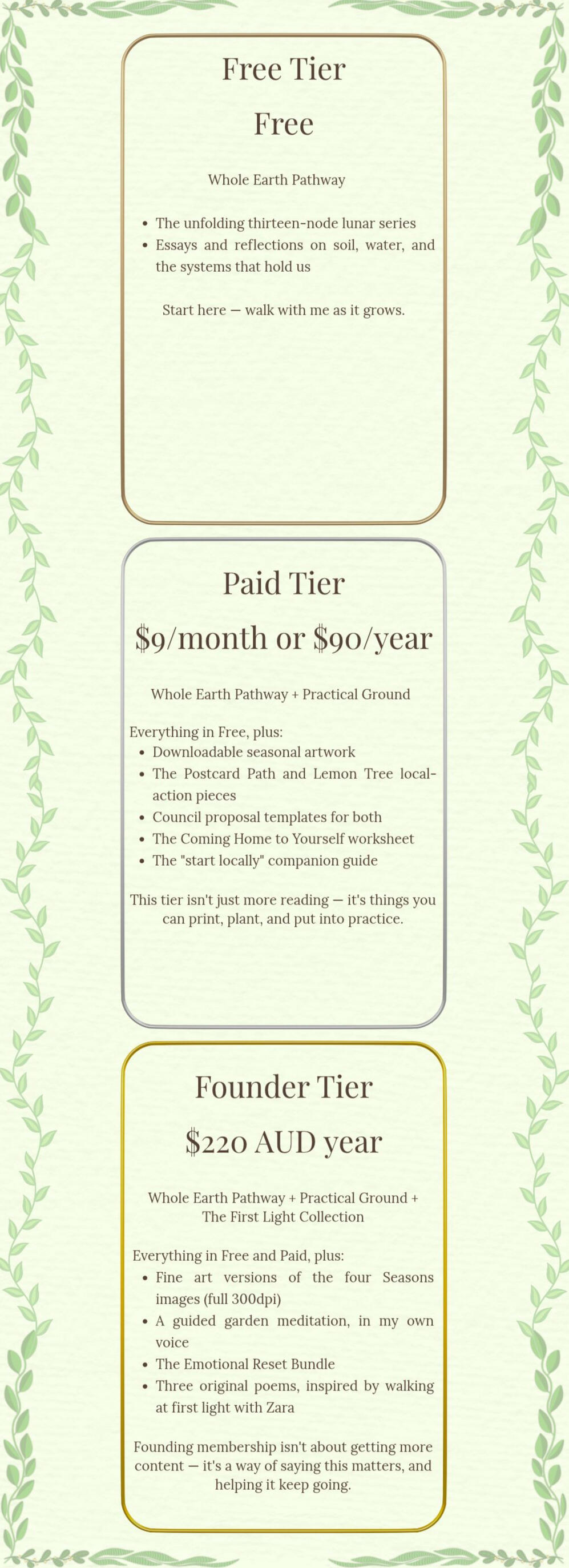
Three ways to walk this pathway with me.